
Quarterly Newsletter Issue #2
We’ve been reflecting on what the most recent May Day teaches us about this moment, and what comes next.
Across the country this May, something undeniable surfaced: people are organizing at a scale we have not seen in years; they are experimenting, stretching, and building the muscles of collective power in real time.
Estimates place participation at 5,000 coordinated actions nationwide, with Sunrise Movement reporting over 100,000 students engaged in demonstrations. Beyond the numbers, what matters is what those actions revealed: a growing willingness to move together, disrupt together, and imagine power outside of the systems that have failed us.
We are not witnessing isolated moments of protest. We are witnessing infrastructure being built and people power being built.
This year’s May Day actions were not just symbolic; they were tactical. Across cities, organizers tested strategies like boycotts, strikes, and economic non-cooperation, including frameworks such as “no work, no school, no shopping.” Across the country, May Day Strong coalitions brought together some of the broadest alignments we’ve seen in recent cycles, testing what it means to organize in unison across difference, geography, and sector. The scale of coordination shows us what becomes possible when networks are already in place before moments of urgency arrive.
At the same time as this moment of mass mobilization, we are watching the formal structures of democracy continue to erode. The gutting of the Voting Rights Act is not an isolated policy shift; it is part of a broader pattern of constraint and exclusion, particularly targeting Black communities and other marginalized voters.
The work ahead isn't just about mobilizing more people; it's about building durable organizing structures in places where people are most vulnerable, networks are thin, and energy is present, but organization is not yet consolidated. We must move from brief moments of convergent to lasting systems of sustained coordination.
May Day showed us scale. The next question is structure.
We are in a period where participation is expanding faster than infrastructure can keep pace. That gap is where our work, at CTWO, lives. And it is why our work, which centers on building the skills, relationships, and leadership people need to organize together and exercise collective power, matters more now.
Notes From the Field
Seeding Resistance: Building Together for the Road Ahead
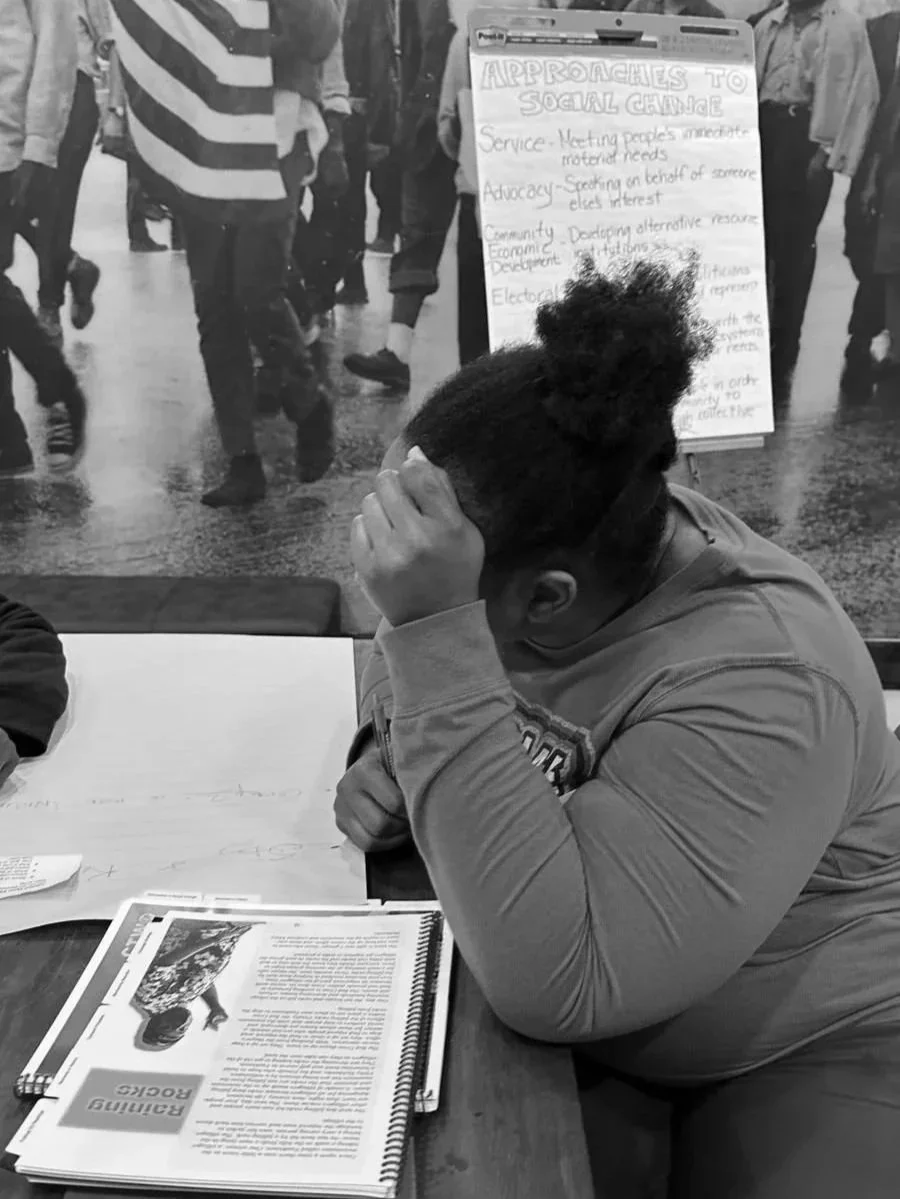
This spring, CTWO and the Rising Majority Capacity Building Table hosted the first Seeding Resistance virtual gathering, bringing together training and movement-building organizations from across the progressive ecosystem.
At a time of growing challenges for our movements, participants gathered to build relationships, share political assessments, and explore opportunities for greater collaboration and alignment across the sector. The conversation reinforced a shared commitment to strengthening movement infrastructure by centering cooperation over competition.
This gathering marks the beginning of an ongoing process. Partners will reconvene in-person this fall to continue developing shared strategy, deepen relationships, and explore how we can more effectively support progressive movements in this critical moment.
Liberatory Leadership
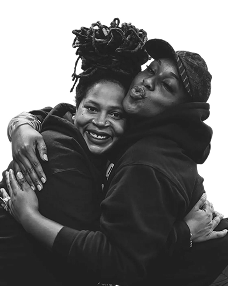
CTWO, in collaboration with Global Academics, hosted a Liberatory Leadership delegation to Jamaica: Imagining Liberation: Exploring Maroon Communities.
Rooted in the legacy of enslaved Africans and Indigenous peoples who created resilient, autonomous communities amidst atrocity, this journey invited participants to study resistance, practice alternative systems, and envision liberation for our time.
Participants built shared knowledge, skills, and commitment and challenged each other to reimagine the possibilities of maroonage in America today. In this immersive container, these leaders sparked a globally informed and values-aligned vision of liberatory leadership and governance.
Announcements
Our Annual Report is here: Through 2025, CTWO has invested in what short-term cycles often neglect: deep organizing, leadership development, and lasting movement infrastructure. Despite political backlash, shrinking philanthropic investment, and increasing pressure on grassroots organizations and organizers, we've remained steadfast in our mission: to organize the masses.
Happy Pride Month: There is no way to honor queer history without the people who organized, resisted, and created spaces of safety and belonging. Queer history and movement history are inseparable.
Center for Third World Organizing
1714 Franklin St #100-245
Oakland, CA 94612
United States
